A rotten egg smell in your tap water usually means hydrogen sulphide (H2S) is present, whether from groundwater, bacteria, or your water heater. Start by checking whether the smell shows up in hot water only or throughout your whole home, since that single clue narrows down the likely source fast. From there, a water test (including a basic bacteriological screen) or a call to a certified water professional will confirm what you’re dealing with.
TL;DR:
- Hydrogen sulphide in water often originates from groundwater, bacteria in plumbing or water heaters, especially when the smell only appears in hot water.
- Testing water for H2S concentration and comparing hot versus cold tap odors is essential before selecting a treatment, with samples best collected first thing in the morning.
- Level of H2S determines treatment: adsorptive carbon filters for low levels, oxidizing media or aeration for moderate, and chlorination plus filtration for higher concentrations or bacterial sources.
- Replacing magnesium anode rods or disinfecting water heaters can resolve hot water sulfur odors, while bypassing softeners or cleaning wells addresses buildup in plumbing or groundwater.
- Regular maintenance and professional intervention are crucial if odours persist after treatment or if new staining, corrosion, or slime develop.
Table of Contents
- What causes the rotten-egg smell in water
- Health and safety: how risky is sulphur-smelling water?
- How to diagnose the source and what tests to order
- Treatment options matched to cause and concentration
- Practical fixes for water heaters, softeners, and plumbing
- Maintenance, monitoring, and when to hire a professional
- How Pure Wave Water helps: testing, installation, and compatible product types
- Our take on sorting out a sulphur smell
- Ready to find out what’s in your water?
- FAQ
- Sources
What causes the rotten-egg smell in water
Hydrogen sulphide forms when organic matter breaks down without oxygen, often related to sulphate-reducing bacteria found naturally in soil and groundwater. These bacteria thrive in low-oxygen environments, which is exactly what you find deep in a well casing or inside plumbing that doesn’t see much flow.
A few common sources account for most cases we see:
- Groundwater aquifers naturally containing dissolved sulphur compounds, especially in areas with organic-rich soil or shale.
- Well casings and plumbing that have become colonized by sulphur bacteria over time, creating a persistent source inside the system itself.
- Water heaters, where the magnesium anode rod can react with sulphate in the water to produce hydrogen sulphide gas, a very common reason the smell shows up only in hot water.
- Water softeners, where resin beds can host bacterial colonies that generate the same rotten-egg odour.
The strength of the smell tracks the concentration: higher H2S levels don’t just smell worse, they also tend to accelerate corrosion in pipes and fixtures and can leave dark staining in sinks and tubs.
Health and safety: how risky is sulphur-smelling water?
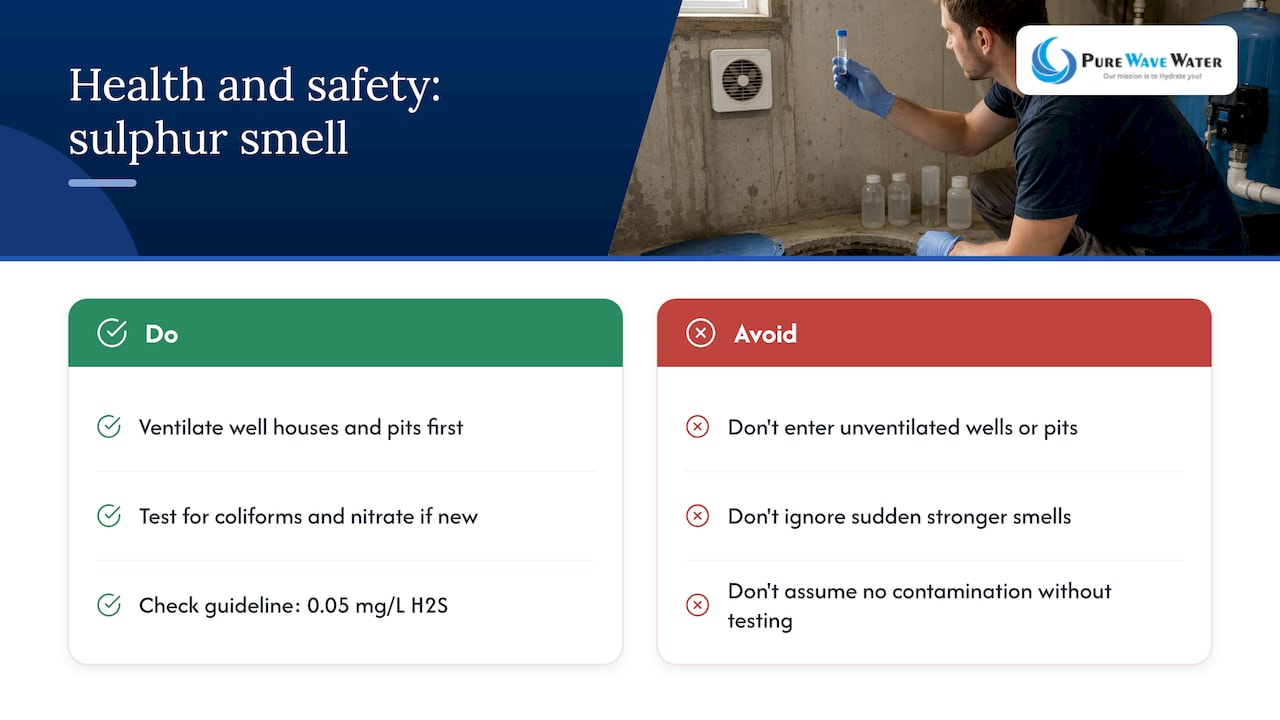
For most homes, the smell is an aesthetic problem rather than a health emergency. Health Canada sets an aesthetic objective for hydrogen sulphide at 0.05 mg/L or lower, a threshold meant to keep taste and odour complaints down, not because the gas is toxic at that level. Your nose is remarkably sensitive to H2S and will detect it well before it reaches anything close to hazardous.
That said, airborne hydrogen sulphide can become dangerous at high concentrations in confined spaces, so ventilate well houses and pits before working in them. If the smell is new or has suddenly gotten stronger, test for coliform bacteria and nitrate too. Sudden changes can occasionally signal sewage or other contamination, and it’s worth ruling that out.
How to diagnose the source and what tests to order
Before you spend money on treatment, a short diagnostic routine will tell you where the smell is actually coming from.
- Let water sit, then sniff. Fill a glass, let it stand for a few minutes, and smell it again. A smell that fades quickly points to something different than one that lingers.
- Compare hot and cold taps. If the odour only appears in hot water, your water heater’s anode rod is the prime suspect.
- Check an outside tap and bypass your softener. If the smell disappears when you bypass the softener, the resin bed is likely colonized. If it persists at an outside tap untouched by your home’s plumbing, the source is upstream, in the well or groundwater itself.
For lab work, order a hydrogen sulphide concentration test alongside total coliform, E. coli, and nitrate. H2S samples can lose accuracy if they aren’t stabilized properly, so ask your lab about sample handling before you collect. As a guide, odour becomes noticeable at very low concentrations, while concentrations near 1 to 2 mg/L often bring corrosion and staining with them.
Pro Tip: Collect your water sample first thing in the morning, before anyone has run a tap, to get a reading closer to what’s actually sitting in your pipes and well.
Treatment options matched to cause and concentration
The right fix depends entirely on what your test results show, not on whichever system happens to be on sale. Treating a low-level dissolved gas problem the same way you’d treat a bacterial colonization wastes money and rarely solves anything long-term.
- Granular activated carbon (GAC) works well for low concentrations under about 1 mg/L, adsorbing the gas as water passes through.
- Oxidizing media and aeration suit moderate levels, converting dissolved H2S into a form that can be filtered out or stripping the gas from the water directly.
- Continuous chlorination or oxidation with filtration handles higher concentrations and bacterial sources, since it both kills the bacteria producing the gas and removes the byproducts.
- Shock chlorination can knock down bacterial colonization temporarily, but it’s often a short-term fix when biofilms are established in a well, since the bacteria tend to regrow.
- Reverse osmosis is useful as a point-of-use polish for drinking water at the tap, but it isn’t built to handle whole-house H2S at any meaningful concentration.
Wells with heavy bacterial colonization sometimes need mechanical pre-work, such as brushing or agitating the casing before disinfection has any lasting effect. Skipping that step is one of the most common reasons homeowners try shock chlorination and see the smell return within weeks.
Pro Tip: Match your treatment choice to your lab result, not your neighbour’s system. Two wells a kilometre apart can have very different H2S concentrations and sources.
Practical fixes for water heaters, softeners, and plumbing
If your test points to hot water only, the fix usually centres on the anode rod.
- Try a temperature adjustment first. Running the heater at a higher temperature for a short period can sometimes disrupt the bacteria causing the reaction, though this is often temporary.
- Consider disinfecting the tank with a diluted chlorine solution, following the manufacturer’s instructions closely.
- Replace the magnesium anode with an aluminum or zinc alternative, which tends to reduce the sulphide reaction while still protecting the tank from corrosion, though it’s worth checking with the manufacturer since this can affect warranty coverage.
For softeners, bypass the unit, disinfect the resin bed, and replace the resin if cleaning doesn’t resolve it. Some of these steps can void a warranty or involve working around electrical and plumbing connections you’re not comfortable with, so when in doubt, stop and call a technician rather than risk damage.
Maintenance, monitoring, and when to hire a professional
GAC cartridges, oxidizing media, and softener resin all have a service life, and sticking to the manufacturer’s replacement schedule keeps a system working the way it’s supposed to. A professional water-treatment technician brings tools most homeowners don’t have on hand: well brushing and mechanical cleaning for colonized casings, correctly timed disinfection contact periods, and media regeneration done to spec.
Watch for red flags that mean it’s time to call someone: odour that persists after treatment, a slimy residue in toilet tanks or on fixtures, repeated clogging, or new staining and corrosion.
How Pure Wave Water helps: testing, installation, and compatible product types
We offer in-store water testing to identify your actual H2S concentration and source before recommending anything, so you’re not guessing at a solution. Our local technicians handle installation and ongoing maintenance, and we carry treatment types built for exactly these cases, including air-injection hybrid filters and ozone capsulate systems designed for iron, sulphur, and manganese removal. A quick test or site visit tells us which option actually fits your water.
Our take on sorting out a sulphur smell
The homeowners who solve this fastest follow the same three steps: test first, isolate whether the source is hot water, softener, or groundwater, and then choose treatment that matches the actual cause and concentration, not the first product that shows up in a search. Skipping straight to a purchase before testing is the most common and most expensive mistake we see.
We’ve built our free testing process around exactly this sequence, which makes it one of the more accessible ways to get a real answer before spending on equipment.
— CloudSprout16
Ready to find out what’s in your water?
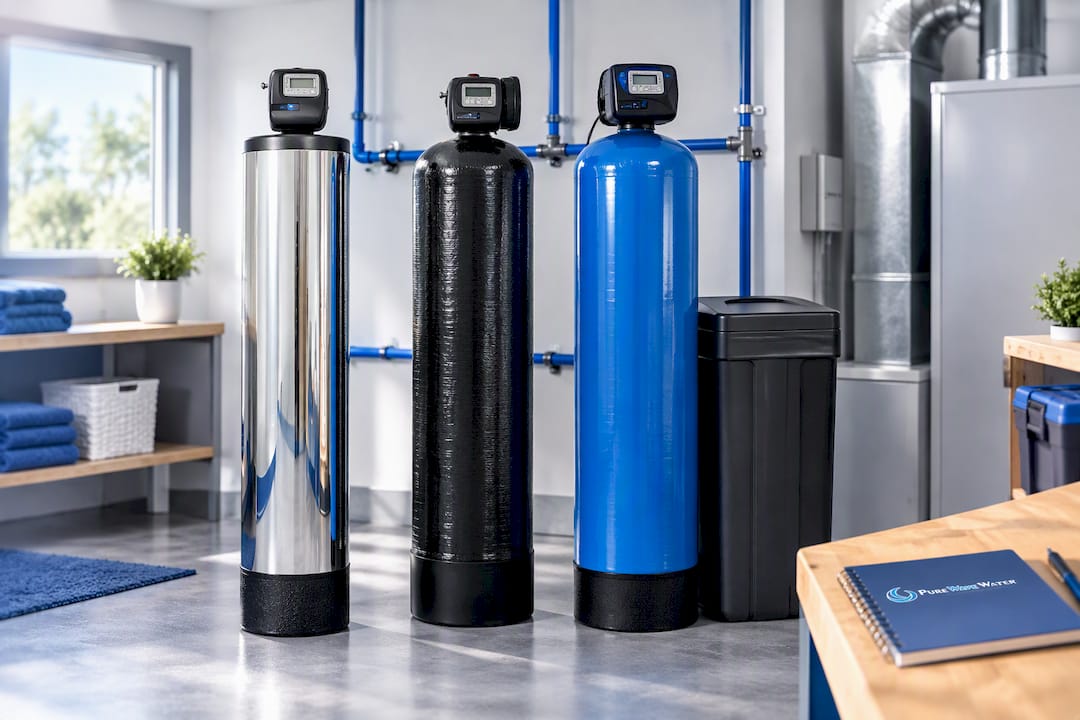
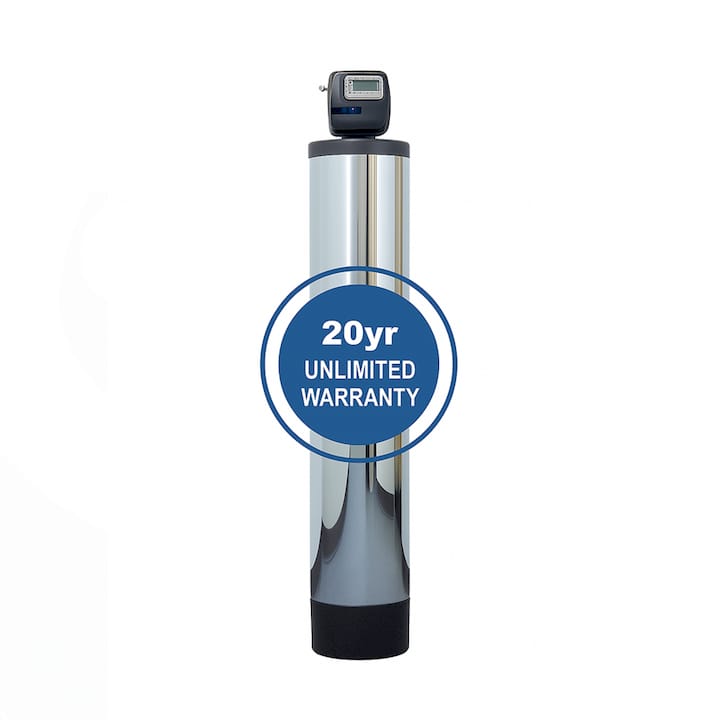
If you’re dealing with a persistent sulphur smell, a free water test is the fastest way to know whether you’re looking at a low-level dissolved gas, an anode rod reaction, or bacterial colonization. From there, we can walk you through installation or repair options through our service team, or point you toward the right filter from our shop, including the Zentec Value Hybrid backwashable filter for moderate iron, sulphur, and manganese levels. A sample or a short visit is really all it takes to confirm the right system for your home, rather than guessing from a product description online.
FAQ
Is it safe to drink water that smells like sulphur?
In most cases, yes. Hydrogen sulphide at the levels that cause odour is typically an aesthetic issue rather than a toxic one, though Health Canada’s guideline exists specifically to address complaints about taste and smell. If the odour appeared suddenly or got noticeably stronger, test for coliform bacteria and nitrate to rule out other contamination.
Is showering in sulphur-smelling water safe?
Showering in water with a rotten egg odour is generally considered safe for most households, since the concern is primarily about smell rather than skin contact. Make sure bathrooms and well houses are ventilated, since airborne hydrogen sulphide can build up in enclosed spaces at higher concentrations.
How long does it take to get sulphur smell out of water?
It depends entirely on the source: a water heater anode rod replacement can resolve hot-water odour within a day, while a colonized well may need mechanical cleaning and disinfection that takes longer and sometimes needs repeating. Testing first tells you which timeline you’re actually looking at.
Can a Brita filter remove sulphur?
A standard pitcher filter like Brita isn’t designed to handle hydrogen sulphide and generally won’t resolve a persistent rotten egg smell. Whole-house solutions such as GAC filtration for lower concentrations or oxidizing media for higher levels are built specifically for this problem.
Sources

Pure Wave Water shares educational content about water treatment, water softeners, reverse osmosis systems, UV purification, and filtration solutions. Our guides help readers understand water quality concerns, explore treatment options, and make informed decisions about their water treatment needs.